

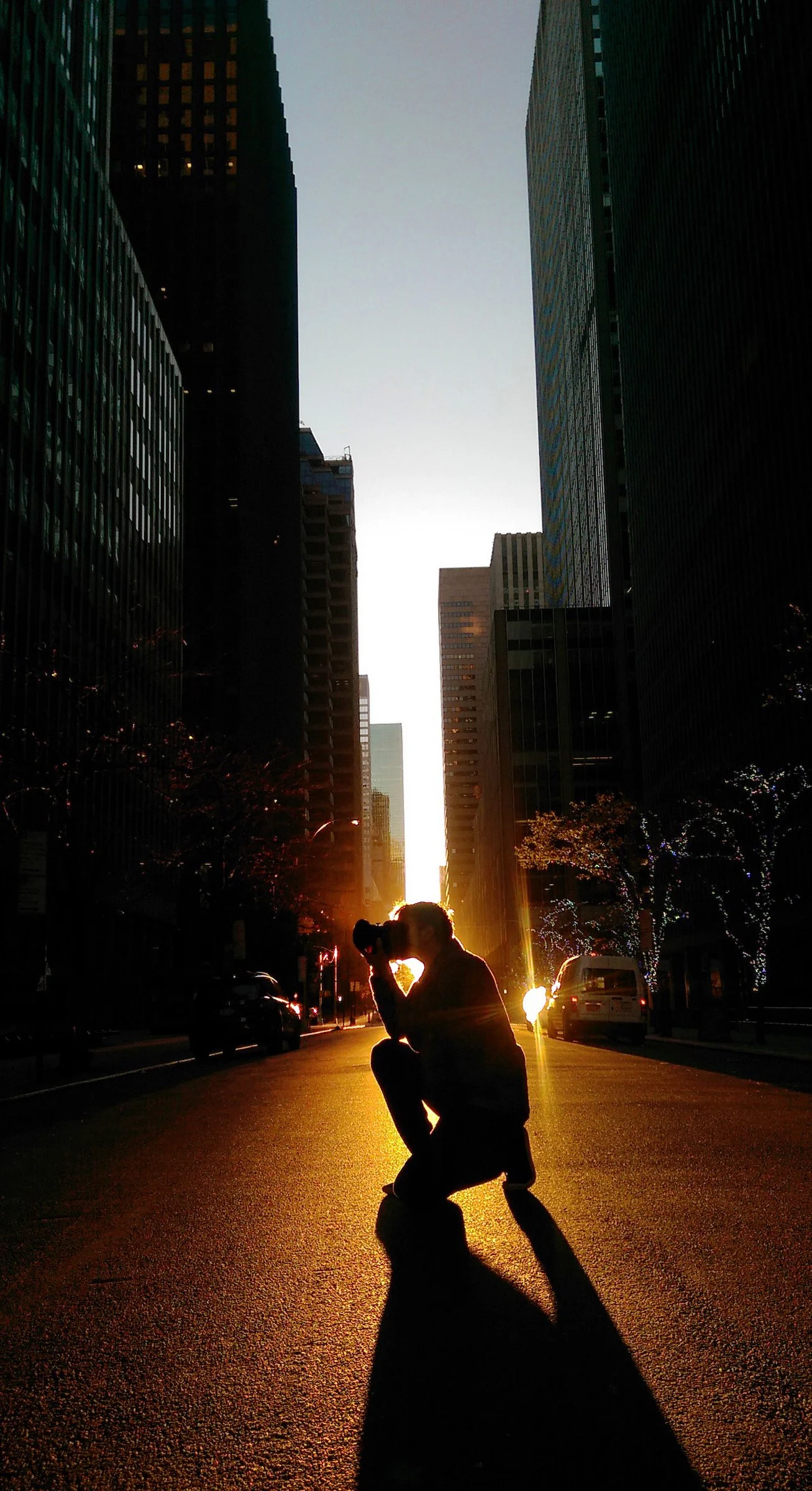
portrait by Rolando Pellot
THROUGH THE LENS OF LIGHT
I've always had a curiosity for exploring spaces and a desire to describe what I see to others. As a child, I created imaginary buildings in drawings and paintings.
I went on to develop my discerning eye for space while earning a Bachelor of Fine Arts in Photography and studying Architecture at Ball State University. There I built several pinhole cameras in pursuit of a simple machine that could record the essence of a space and the way light defines it.
That pursuit led me to New York City, where I exhibited my fine art pinhole photographs and began my commercial photography training. Since then, I’ve been building relationships with architects, designers, art directors, and editors.
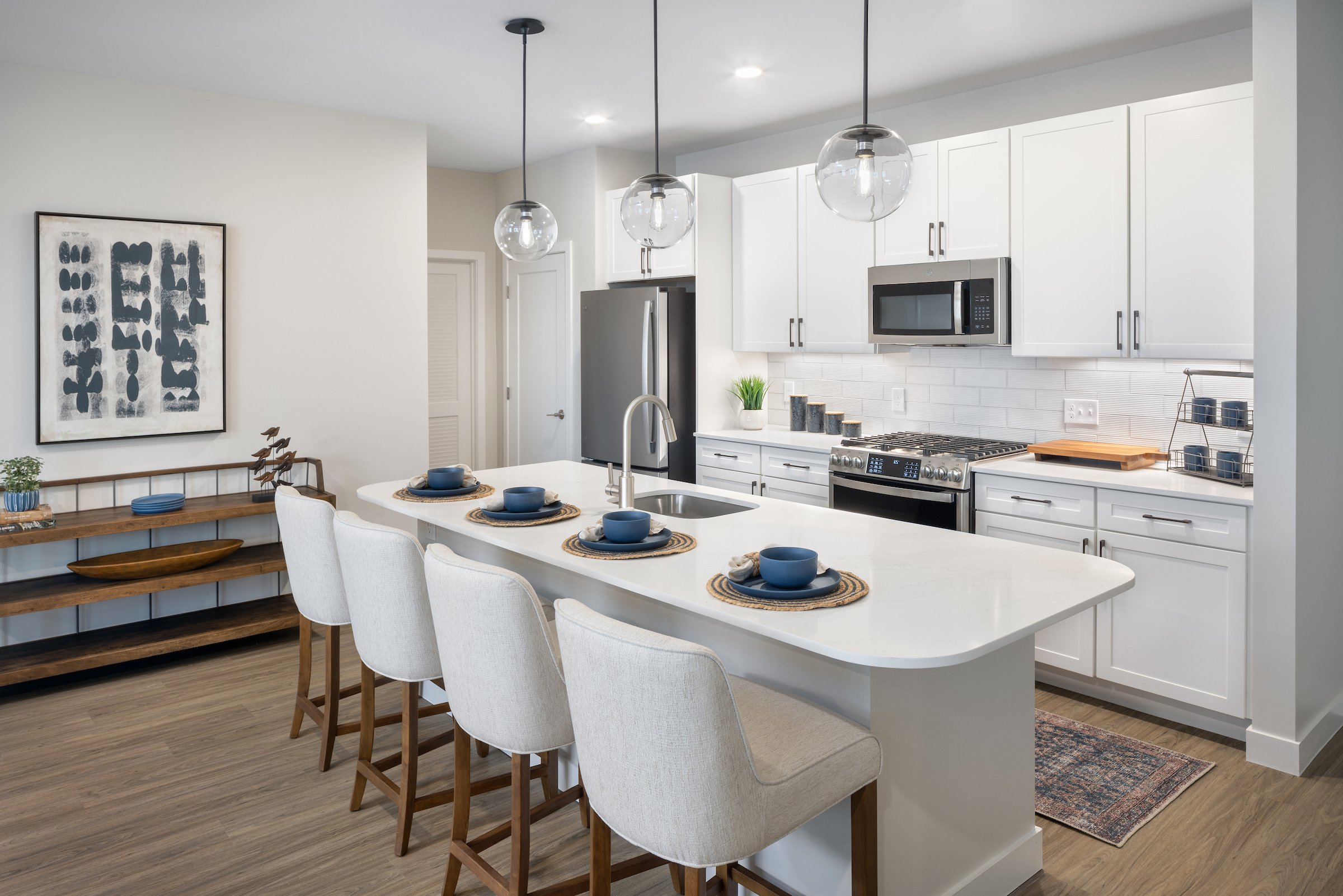
Today, I see my role as a visual storyteller, describing the unfolding of a space as shaped by light. This interplay of light and space guides my perspective, revealing the subtleties that bring a space to life.
On every shoot, I work from the principle, “keep it simple.” From planning through production, uncomplicated framing and lighting allow me to stay nimble on site and responsive to client needs.
My photographs have helped clients win awards, attract new projects, and gain the industry recognition their work deserves.
client stories

industry recognition
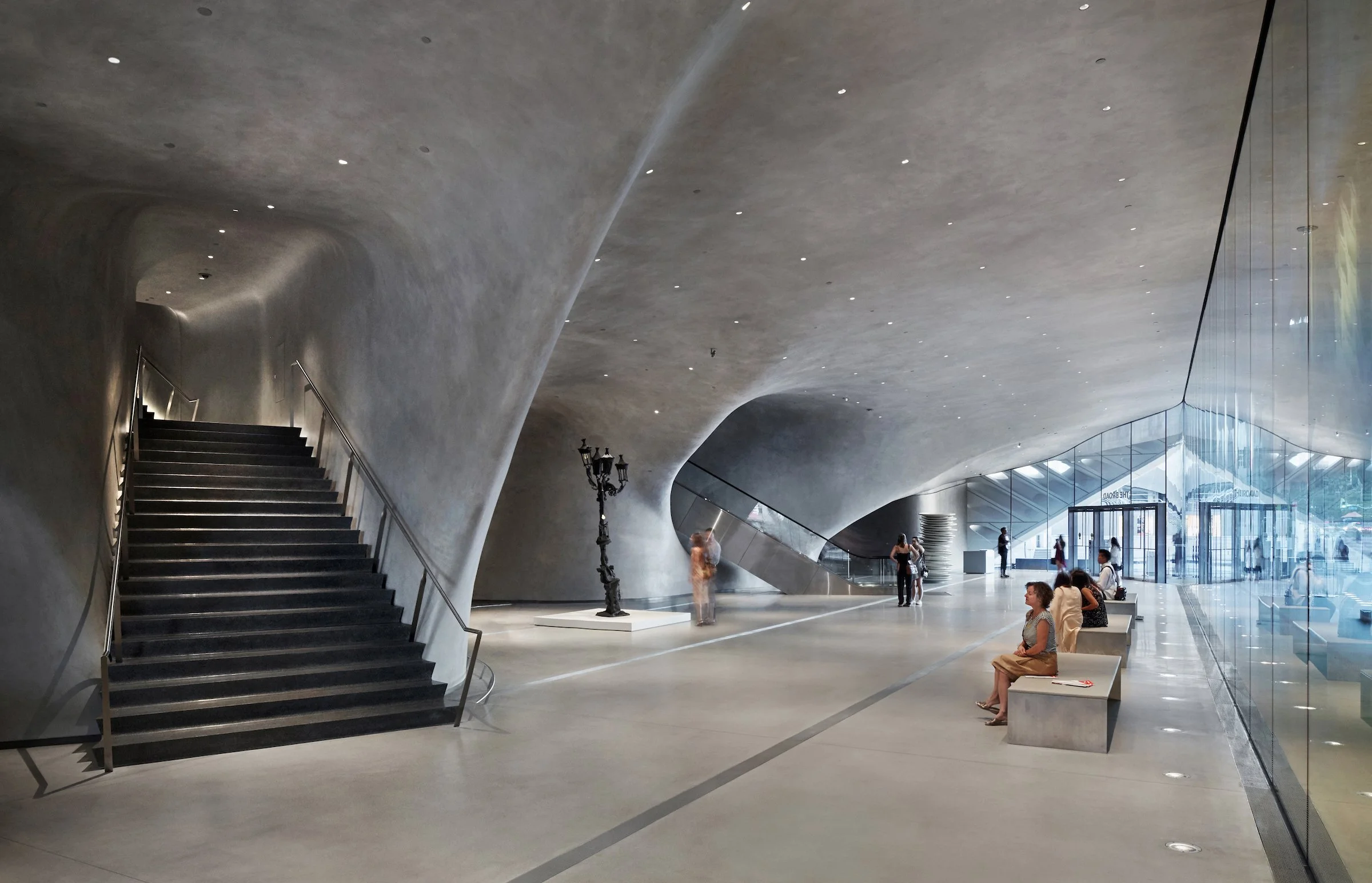
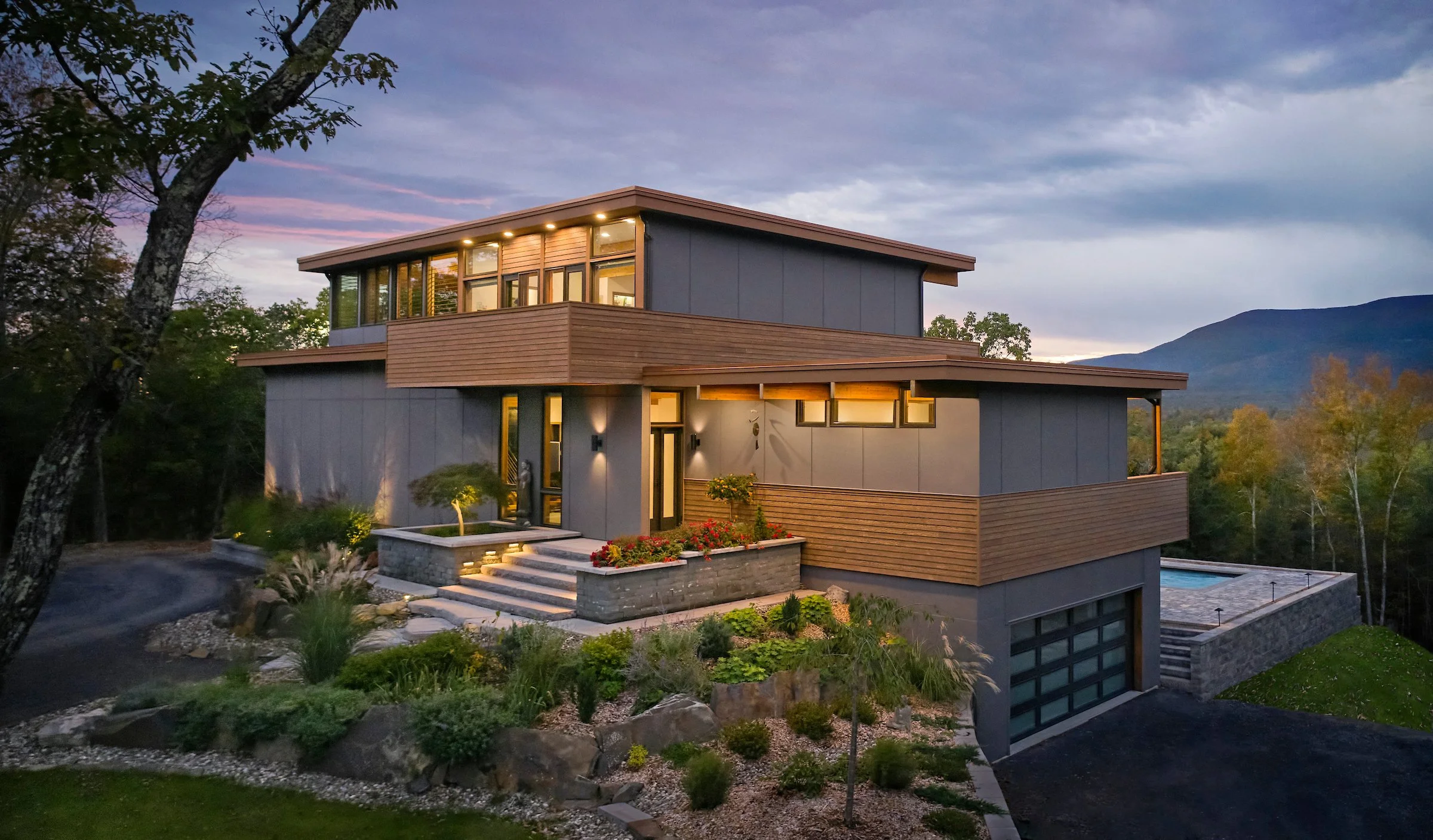
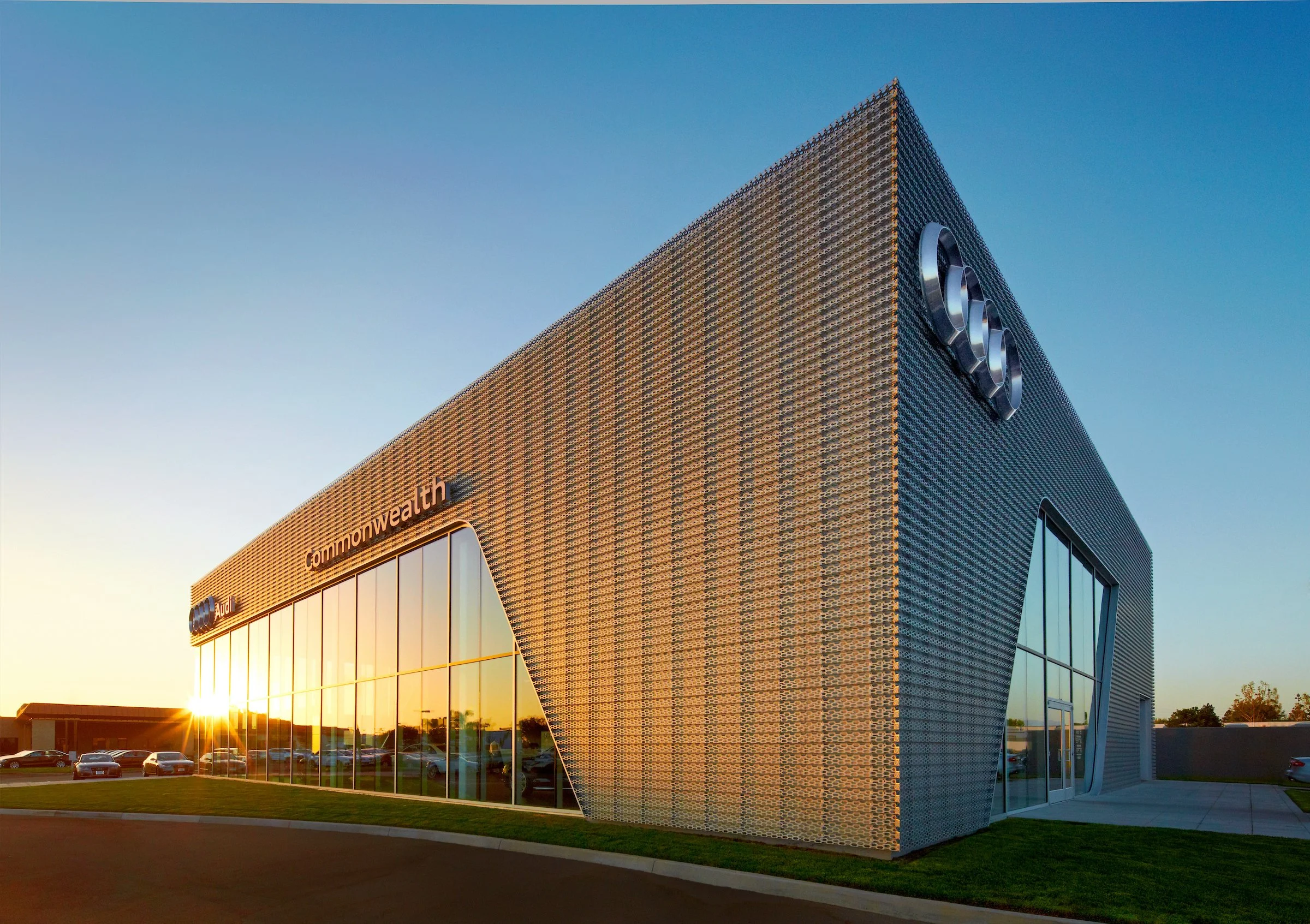
My goal for every shoot is to capture the project’s character—translating design and spatial experience into clear, compelling imagery. In some cases, my work has been used in award submissions. The selected awards shown here recognize projects presented through my photography.
-
Interior Photograph Winner | 2023
-
Project Merit Award | 2023
-
Award of Merit | 2020
-
Interior Architectural Illumination | Honorable Mention | 2020
-
Architecture Categories, Honarable Mention | 2018
-
Projects Award
-
Design Award | 2013
-
Award of Excellence | 2013
Project: Pier 15
-
Excellence in Civic Architecture Award | 2012
-
Project Merit Award | 2007
PUBLICATIONS


BEHIND THE CAMERA
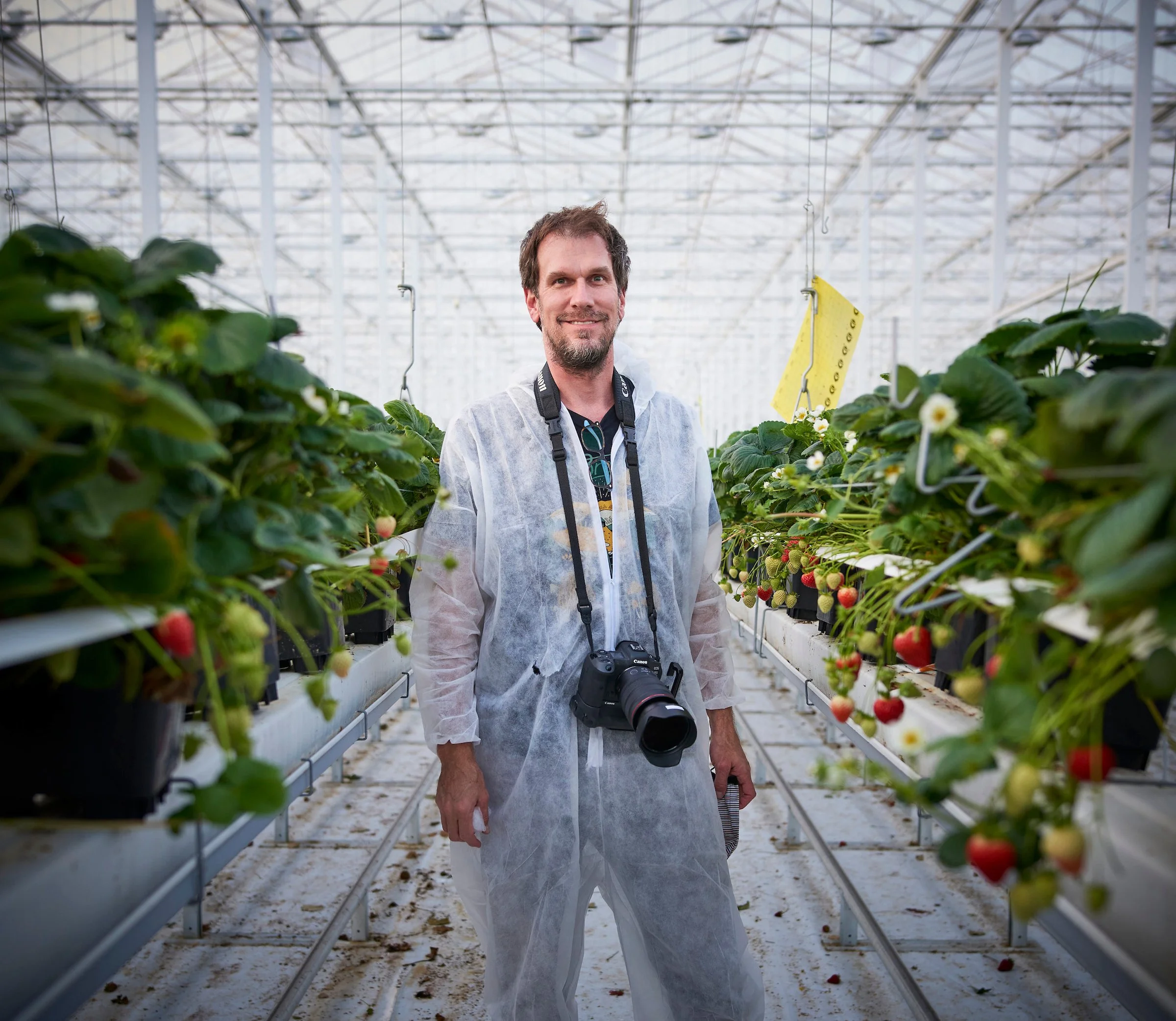
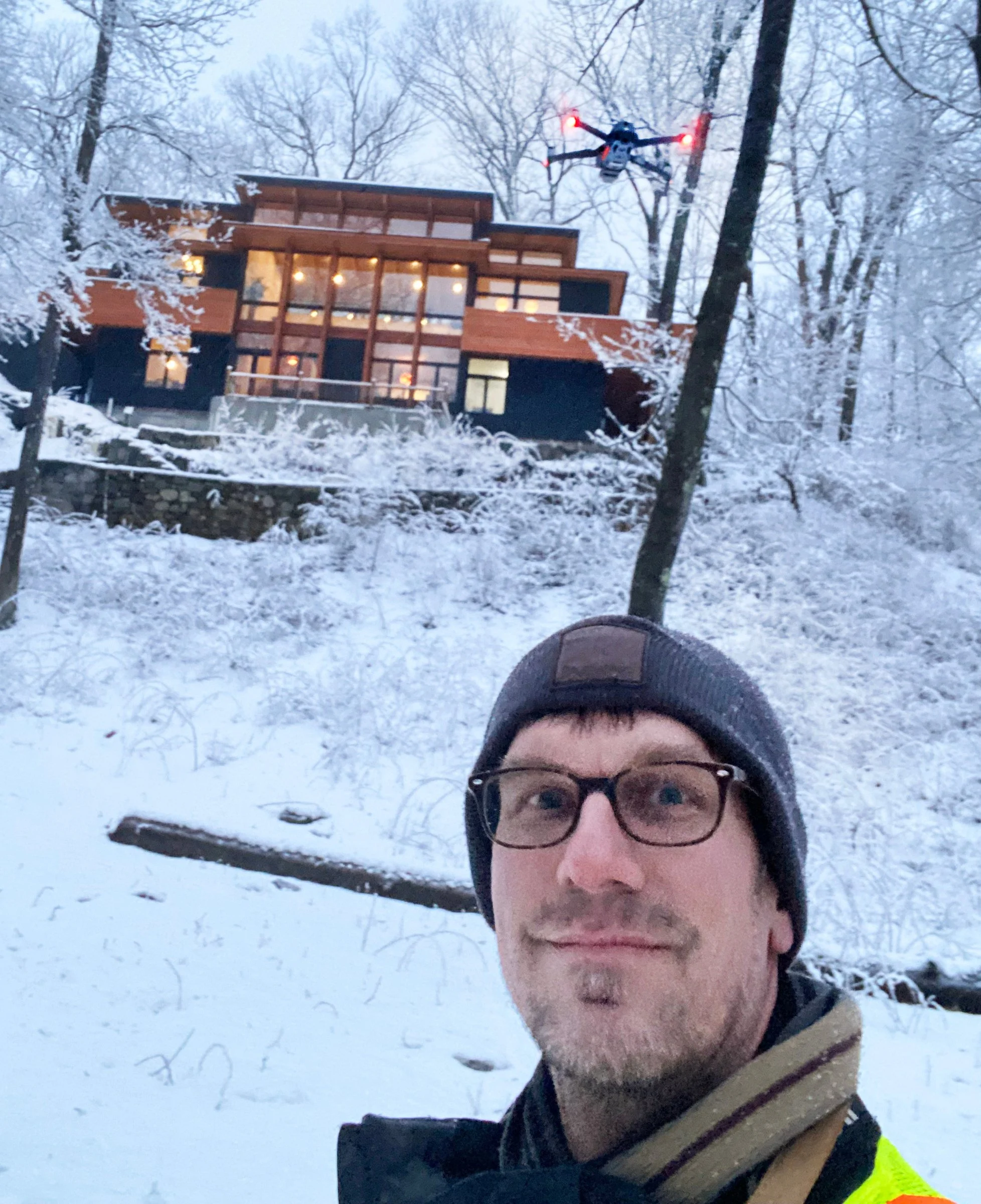
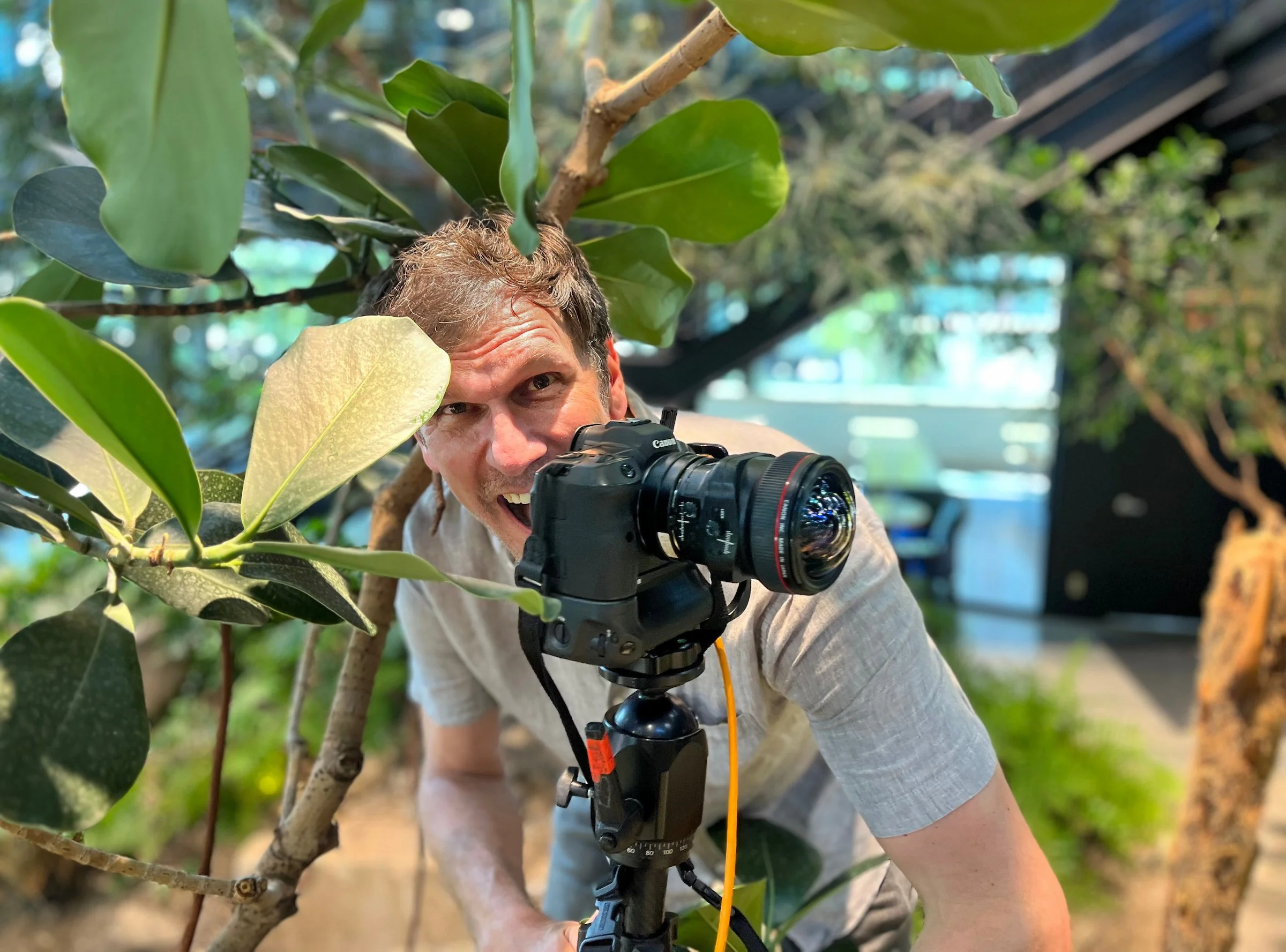
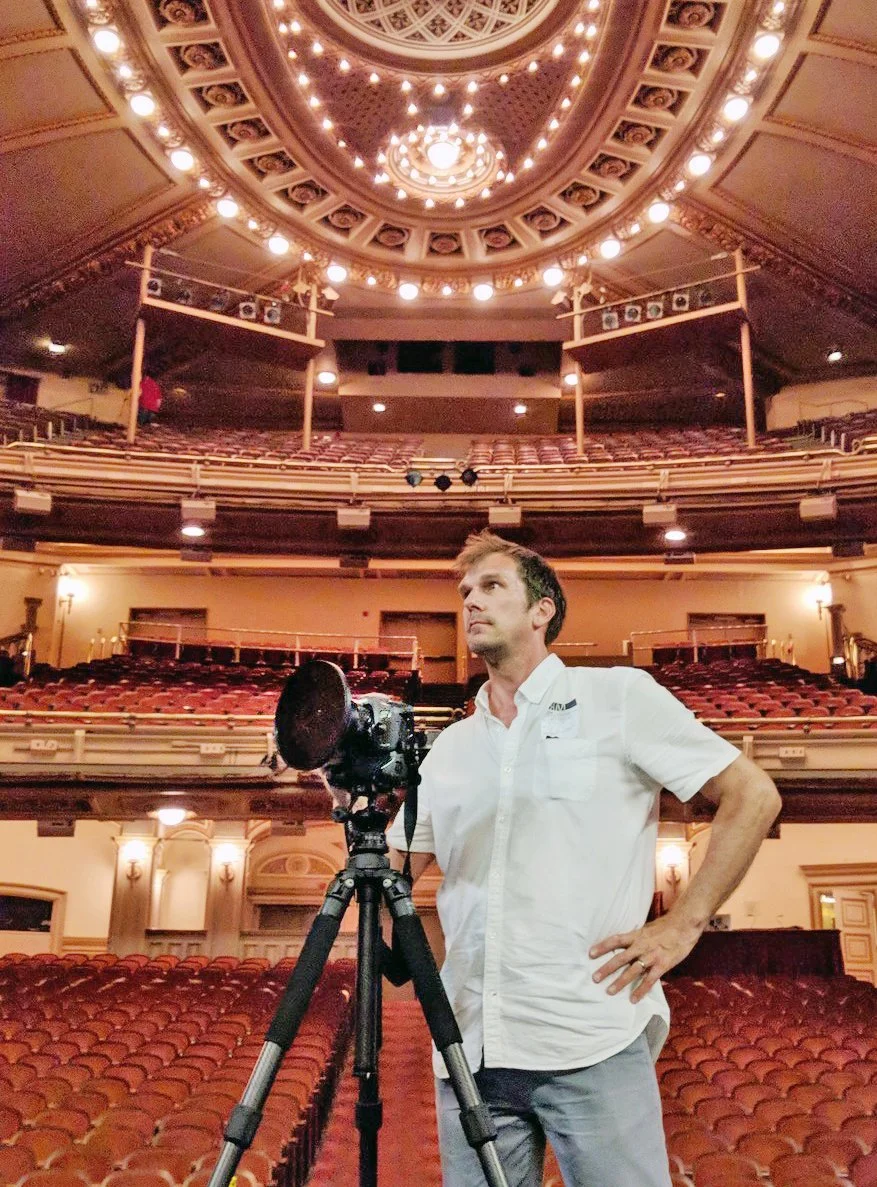
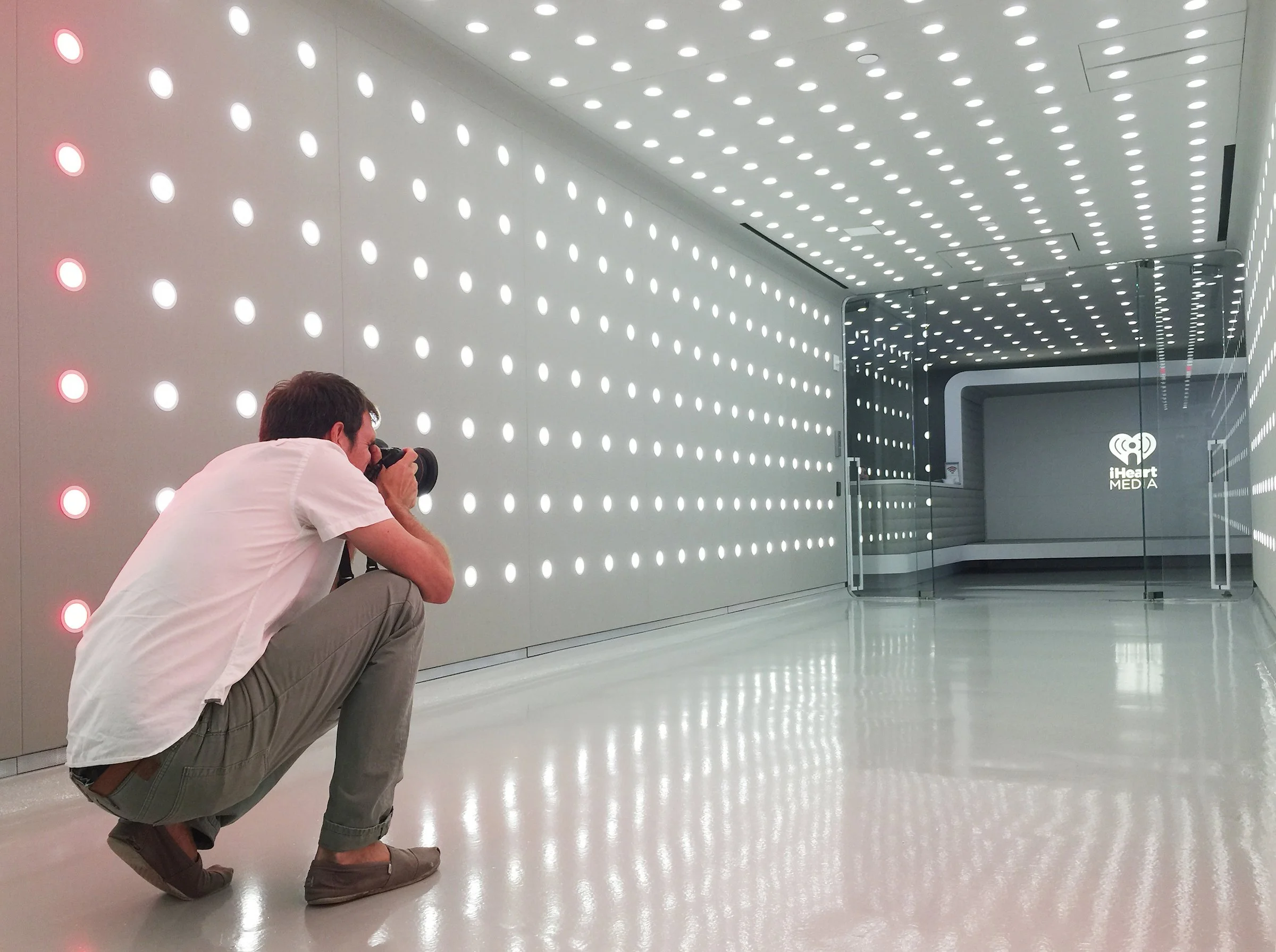
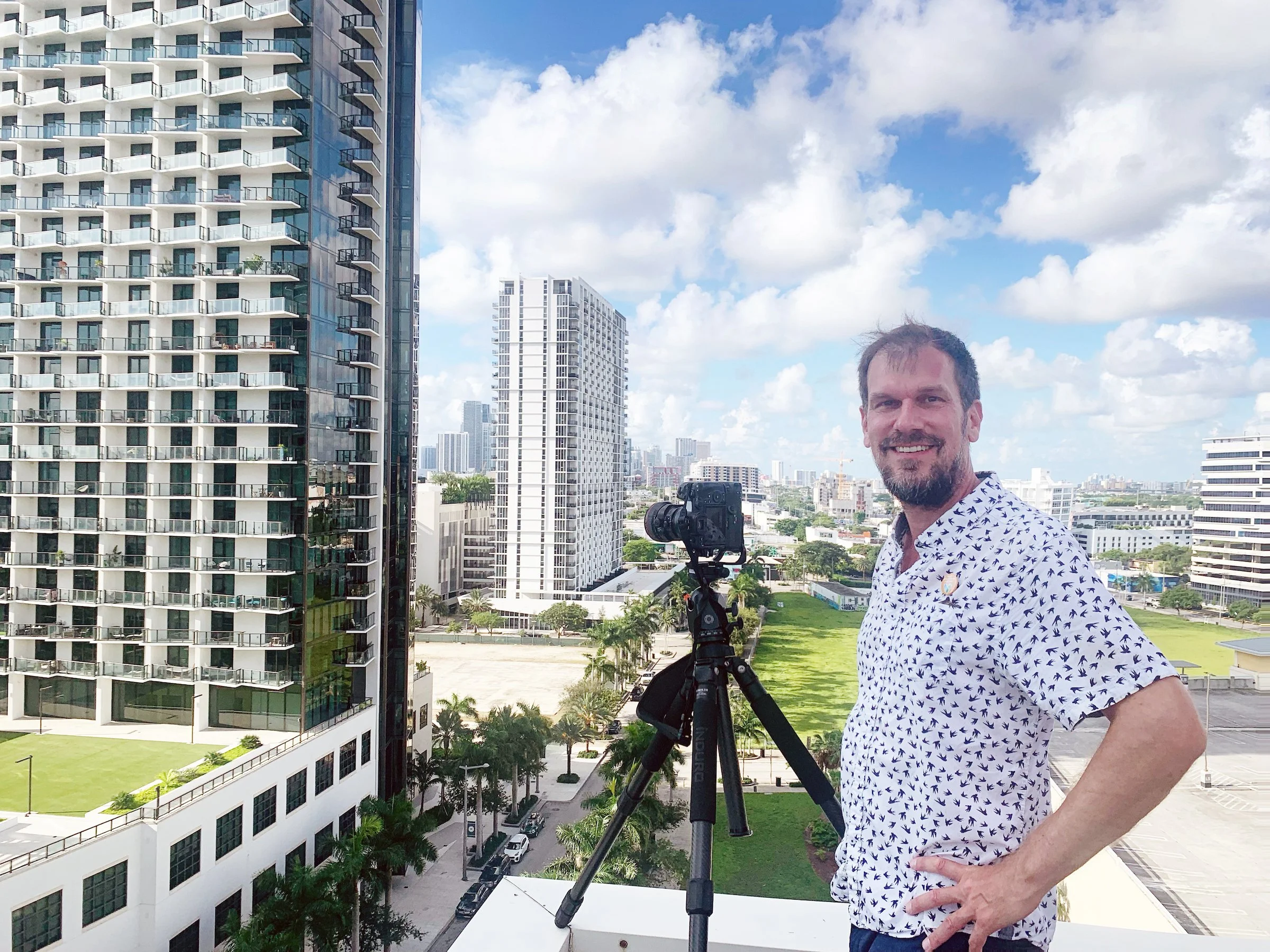
Every space has a story, and every photograph starts with paying close attention. Here’s a look at how I work on site—blending curiosity, care, and a willingness to do whatever it takes to get the right shot.
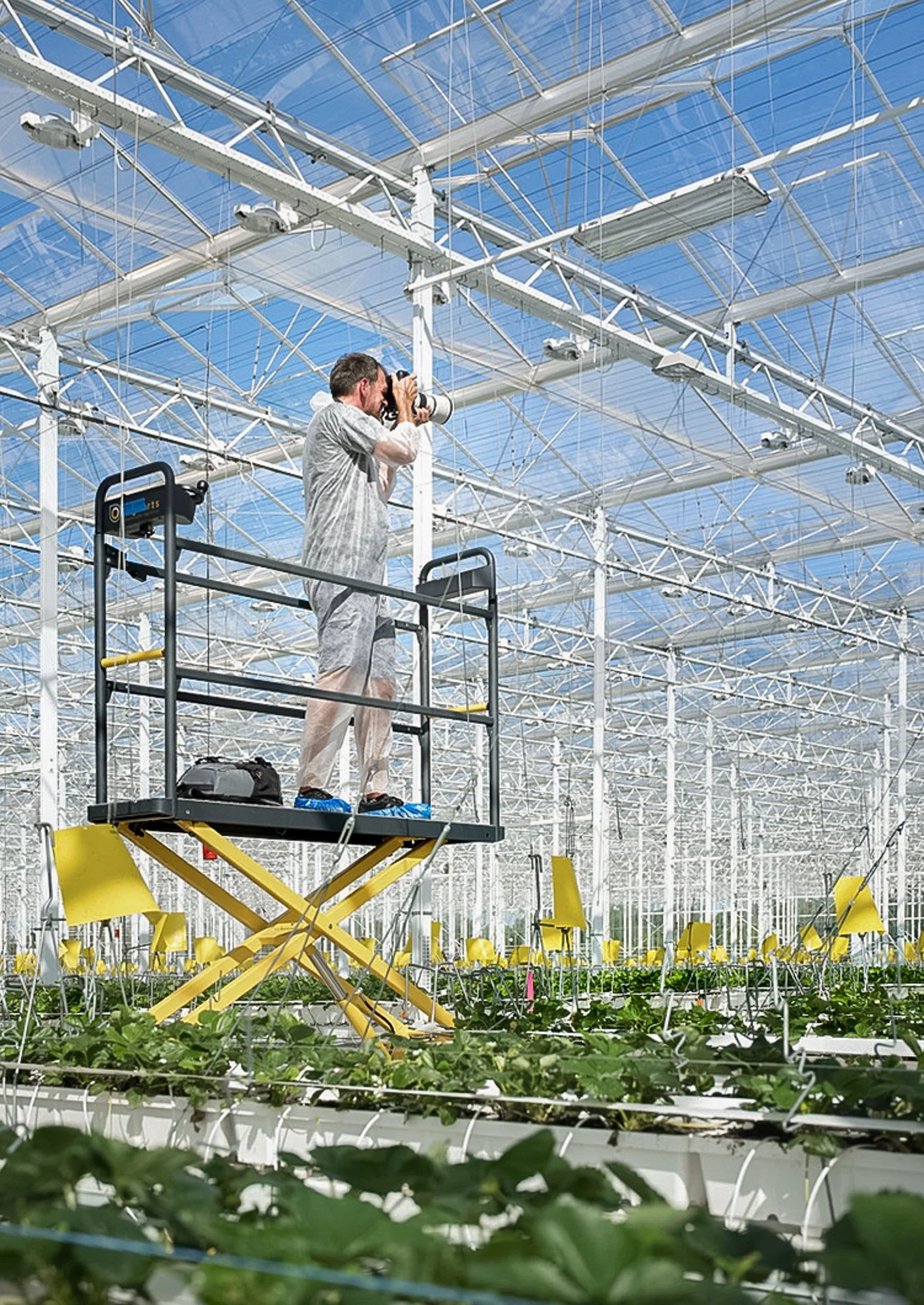
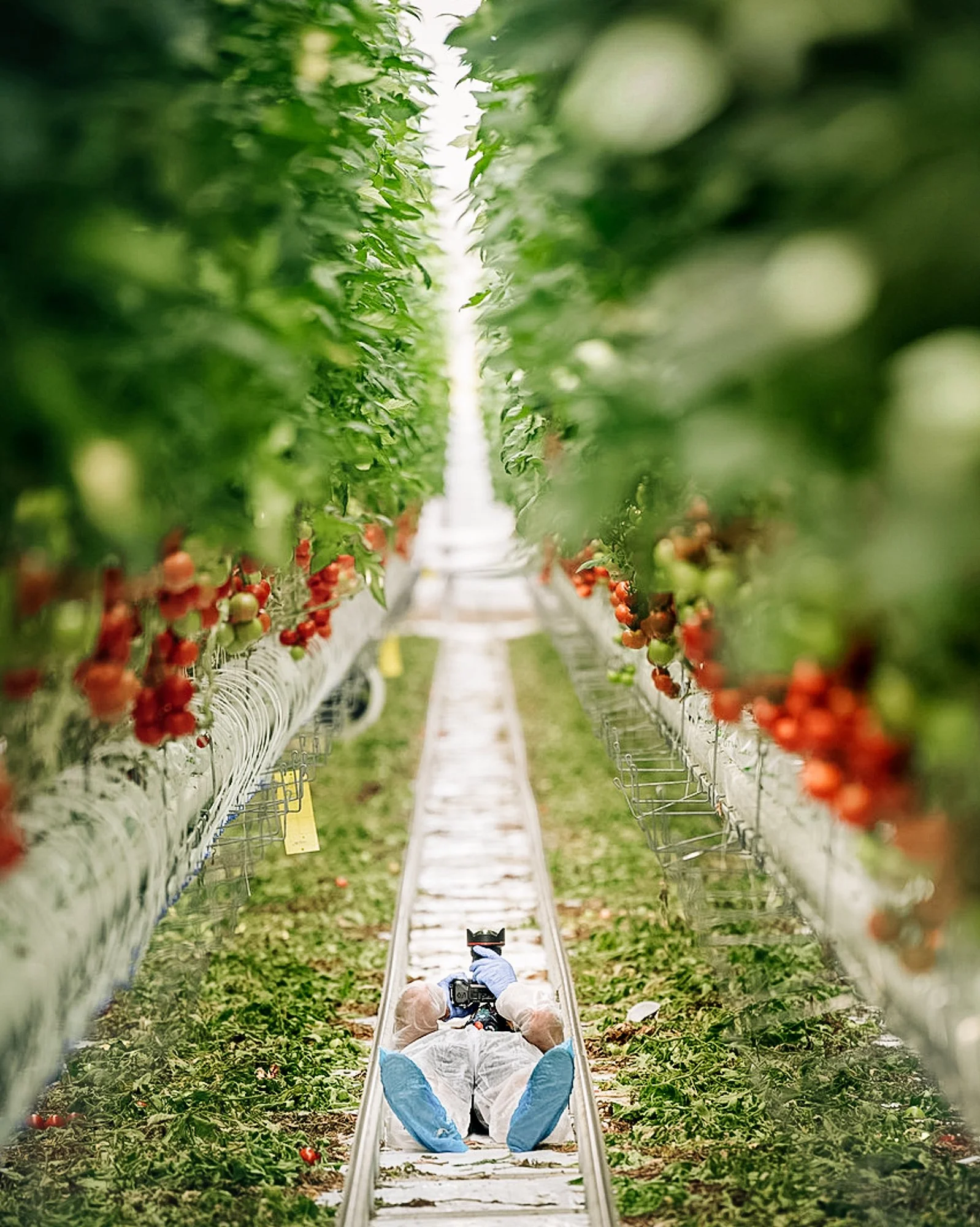
PRECISION MEETS CREATIVITY

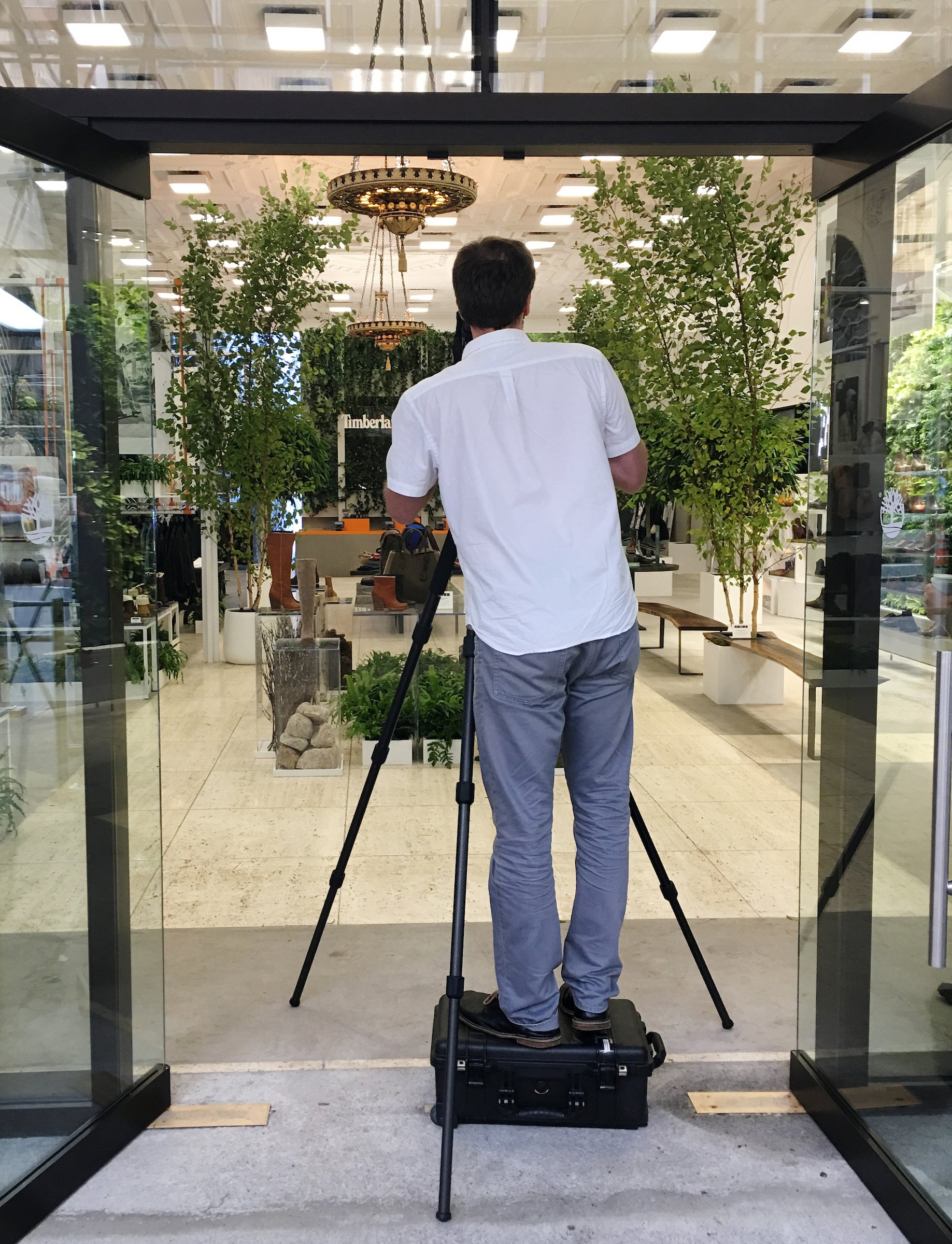
I don’t believe in one “correct” angle. I’ve been known to climb, crouch, or lie on the floor if that’s what helps reveal the design in the most honest and compelling way.
quality + collaboration
Great images are a team effort. I work closely with designers, marketing teams, and creative partners to make sure every photograph reflects the goals of the project and a shared commitment to quality.
NIMBLE SCALABILITY
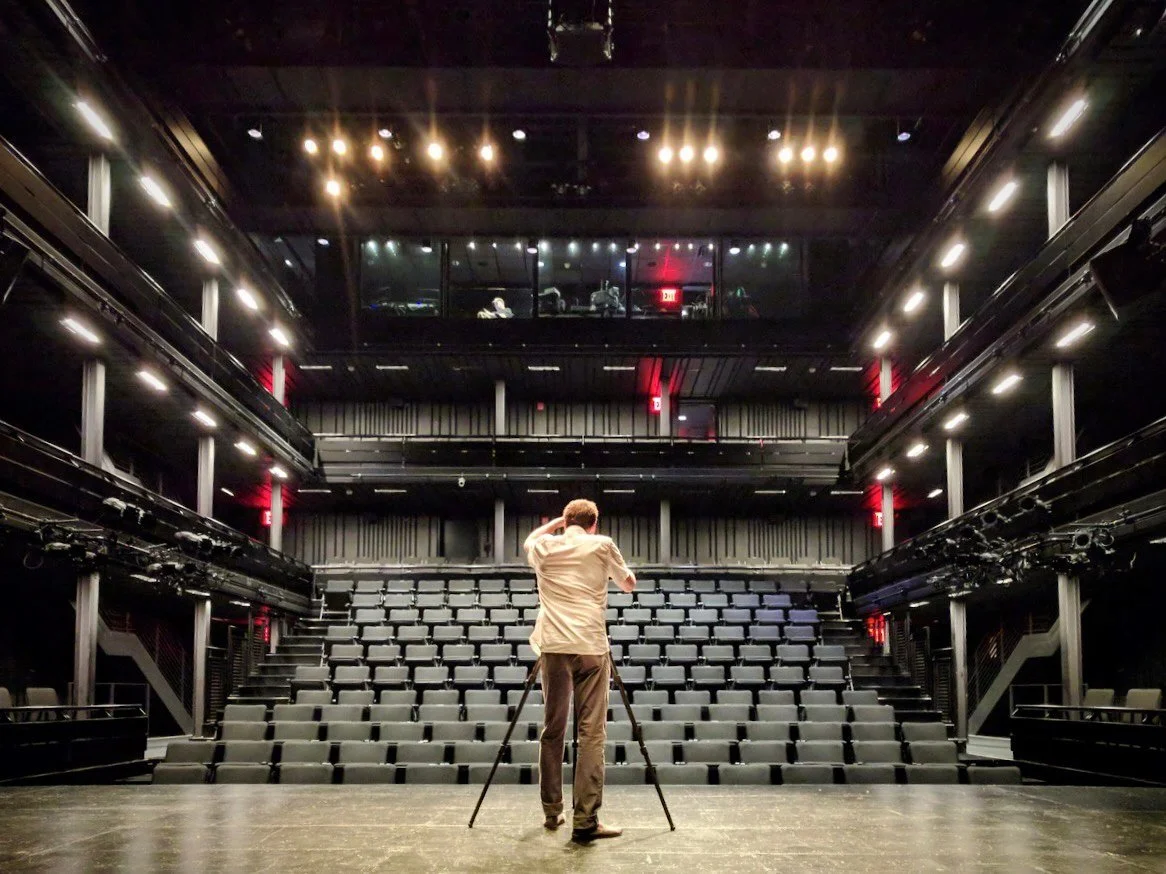
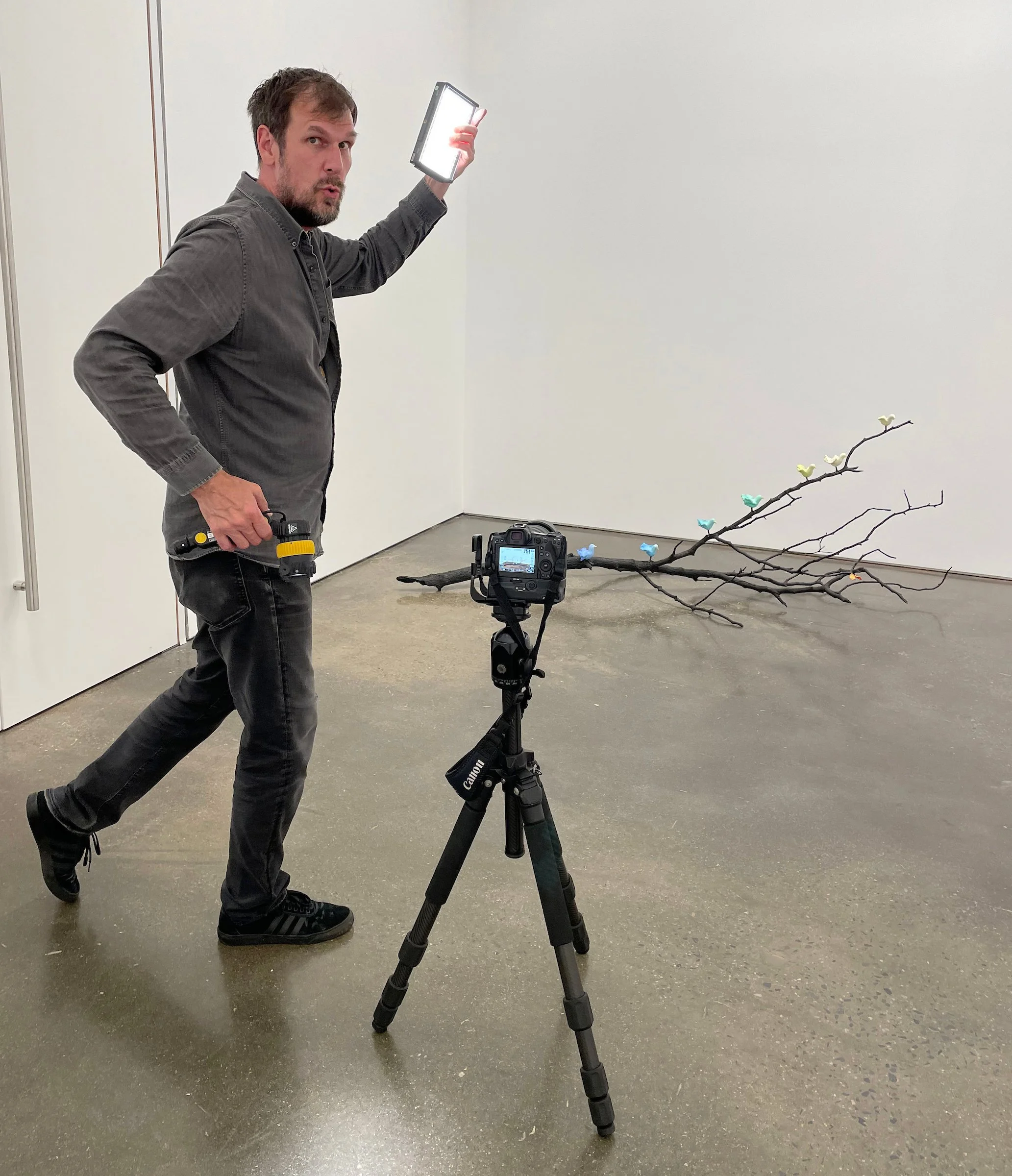
Whether I’m photographing individual art pieces or full-scale building projects for global corporations, I bring the same level of focus and care. I’m comfortable scaling up or down as a project requires—adapting my tools and technique to suit the space—without losing the collaborative spirit or attention to detail that defines my work.
Frequently Asked Questions
-
Choosing the right architectural photographer begins with finding someone whose visual approach aligns with how you want your work to be perceived. Beyond aesthetics, it’s important to consider their ability to understand design intent, manage complex lighting conditions, and collaborate thoughtfully with your team. A strong architectural photographer brings both technical precision and strategic awareness—ensuring the final imagery supports your firm’s long-term positioning.
If you’re evaluating photographers for an upcoming project, you’re welcome to view my work or get in touch to discuss your goals.
-
Architectural photography is typically priced based on the scale and complexity of a project. Factors that influence cost include the size of the space, lighting requirements, number of shoot days, intended image usage, travel, and the level of post-production required. Smaller portfolio-focused shoots may begin around $2,500, while more complex projects involving larger teams, twilight sessions, or extensive deliverables can reach $10,000 or more.
Each project is approached individually, so the best way to determine cost is through a conversation about scope and objectives.
-
An architectural photography project generally begins with pre-production planning, including site scouting, scheduling, and discussions around design priorities. On shoot days, I provide all necessary camera and lighting equipment, as well as assistants or specialists depending on the project’s needs. Deliverables typically include professionally retouched digital images, delivered through a secure portal with clearly defined licensing terms.
Because each project is unique, details can be tailored to match your firm’s workflow and marketing strategy.
-
Yes. All final images include professional retouching, and many projects involve compositing techniques to achieve visual clarity and balance while maintaining architectural integrity. This process ensures distractions are minimized and the design is presented as intended, without compromising authenticity.
Examples of this level of refinement can be seen throughout my portfolio.
-
Yes. Existing images can be licensed for editorial features, marketing campaigns, or brand communications directly through the image archive. For commissioned projects, licensing terms are established at the outset to align with how the images will be used across print, digital, and promotional channels.
If you are looking for specific imagery, the searchable archive provides access to available photographs.
-
While real estate photography is primarily focused on quickly presenting a property for sale, architectural photography is concerned with communicating design intent, material quality, and spatial experience. The process is more deliberate, often involving extended planning, precise lighting control, and a narrative approach to capturing how a space is meant to be understood over time.
This distinction is especially important for firms building a long-term portfolio or pursuing publication and awards.
-
Accurately representing design intent begins long before the camera is set up. I start by understanding the architect’s goals through research and direct conversation about the project’s priorities and key design moves.
On site, I use controlled camera perspectives, careful lens selection, and precise timing of natural and artificial light to maintain accurate proportions and spatial relationships. Composition is guided by how the design is meant to be experienced, not just how it looks from a single viewpoint.
Post-production refines clarity and balance without altering the architecture. The result is imagery that faithfully communicates the ideas and decisions that shape a space.
-
Professional architectural photography plays a central role in how design work is perceived by clients, editors, and juries. Strong imagery translates complex spatial ideas into accessible visual narratives, helping firms articulate the value of their work in proposals, award submissions, and editorial contexts. By presenting projects with clarity and atmosphere, photography becomes a strategic tool for shaping reputation and securing future opportunities.
-
Yes. I regularly travel for projects both within the United States and internationally. Travel logistics are planned in coordination with the project schedule to ensure efficient production and optimal lighting conditions.
-
FAA Part 107 certification means I am federally licensed to operate drones for commercial purposes. This qualification ensures aerial photography is conducted safely, legally, and in compliance with airspace regulations. It also allows for more flexible and strategic use of aerial imagery when documenting large sites or urban contexts.

START the conversation
Tell me what you’re working on, and I’ll follow up with availability, next steps, and any details I need to understand your project.